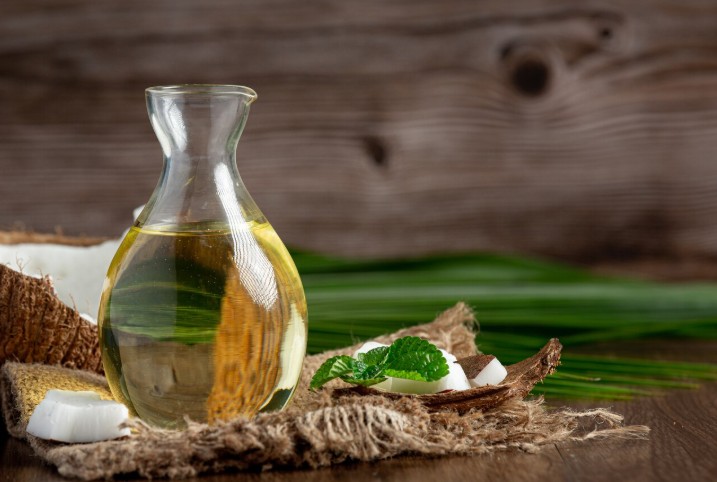
Sustainability doesn’t come from polite press releases or shallow pledges—it comes from the raw courage to rip out toxic systems and replace them with something better. Every boardroom, every production line, every investor’s meeting has the same question lurking: how do we grow without burning the planet? Natural palm oil products aren’t the tired commodity story of yesterday—they’re proof that industries can flip the script, slash their chemical dependencies, and still scale with profit and precision. This isn’t about “options.” It’s about survival with intelligence.
1. Oleochemicals as Engines of Cleaner Manufacturing
Palm oil and its close ally, palm kernel oil, aren’t just edible fats—they’re biochemical powerhouses. Their fatty acids and glycerol serve as the building blocks for creating crucial extracts – oleochemicals. These renewable building blocks mimic and often outperform petroleum-derived counterparts. Take note, the very oil that fries your snacks can also fuel factories, shape adhesives, and grease machines—without leaving a toxic trail.
Manufacturing industry has long treated petroleum like oxygen, but oleochemicals rip that dependence apart and replace it with renewable muscle.
Ø Lubricants, adhesives, coatings—upgraded with lower toxicity.
Ø Paints and printing inks—where biodegradability replaces solvents that choke both lungs and compliance officers.
Ø Mining operations—where palm-derived surfactants reduce water contamination without diluting performance.
Ø Food processing—where release agents and emulsifiers achieve efficiency without smuggling in hidden risks.
Ø Strategic adoption shields companies from the next tidal wave of green regulation.
That isn’t soft sustainability—it’s hard-edged industrial survival. Palm and kernel oils prove that the cleanest chemistry doesn’t have to compromise performance; it just demands foresight to embrace it.
2. Stabilizing Food Formulations Without Compromising Clean Labels
In food, one wrong move is the difference between loyalty and rejection. People don’t want mystery ingredients hidden under glossy packaging. They want clarity. Natural palm oil derivatives turn what was once a battlefield into an advantage.
Ø Palm fractions keep food stable without Frankenstein hydrogenation.
Ø Neutral flavor means products taste real, not engineered.
Ø They tick the clean-label box—no side-eye from conscious consumers.
That is not “just stabilizing.” It’s ripping waste out of the supply chain, cutting synthetic crutches, and giving brands the guts to show up clean. Food companies that leverage palm-based precision aren’t just surviving—they’re locking down loyalty in a market that punishes pretenders.
3. Delivering Gentle but Effective Personal Care Solutions
The beauty aisle is where hypocrisy gets exposed. People want effectiveness without burning their skin or dumping micro-toxins down the drain. Palm oil–derived ingredients take that impossible tension and resolve it.
Ø Palm-based fatty alcohols create surfactants that cleanse without assault.
Ø Natural emollients hydrate while staying fully biodegradable.
Ø Eco-certification compatibility makes brands bulletproof in greenwashing wars.
Such effortsaren’t about following trends—it’s about aligning with the consumer’s demand for products that actually respect their bodies and the planet. In beauty, trust is currency. And palm oil–derived solutions give brands the credibility to cash it in without apology.
4. Creating Renewable Alternatives in Energy and Packaging
Two of the biggest monsters we face—dirty energy and plastic waste—don’t need sympathy, they need execution. Palm oil derivatives open doors that have been bolted shut for too long.
Ø Palm-based biofuels slash emissions while keeping grids stable.
Ø Palm-derived polymers step in where plastic bans bite hardest.
Ø Circularity becomes real, where waste morphs into value streams.
It is no more about ticking ESG boxes—it’s about rewriting the playbook on energy security and packaging futures. The companies bold enough to deploy palm products here aren’t just adapting; they’re deciding who owns tomorrow.
In conclusion, natural palm oil isn’t a commodity—it’s a crucible. When industries choose to reimagine it through food, personal care, manufacturing, and energy, they stop being passengers and start being architects of a sustainable economy. This is not about trends, it’s about grit, precision, and foresight. The future doesn’t belong to those who play it safe. It belongs to those who turn natural solutions into weapons of credibility, competitiveness, and lasting growth.